



There's a reason balsamic dressing shows up on nearly every restaurant menu — it's simple, it's versatile, and when made properly, it turns even the most basic salad into something worth talking about. The good news? You don't need a culinary degree to make it at home. You need the right ratio, decent ingredients, and about five minutes.
The Classic Balsamic Dressing Ratio
Most balsamic dressing recipes fall apart because people eyeball the ratio instead of respecting the basic formula:
3 parts oil to 1 part balsamic vinegar
This is the foundation of a classic vinaigrette, and it works because oil is far less acidic than vinegar — get the ratio wrong and your dressing either tastes flat (too much oil) or sharp and puckering (too much vinegar).
Basic Balsamic Vinaigrette
- 3 tbsp extra virgin olive oil
- 1 tbsp good-quality balsamic vinegar
- 1 tsp Dijon mustard (acts as an emulsifier, helping the oil and vinegar bind)
- 1 small garlic clove, minced (optional)
- Pinch of salt and cracked pepper
Whisk everything together in a bowl, or shake it in a jar with a tight lid. That's genuinely it.
Why the Quality of Your Balsamic Vinegar Matters
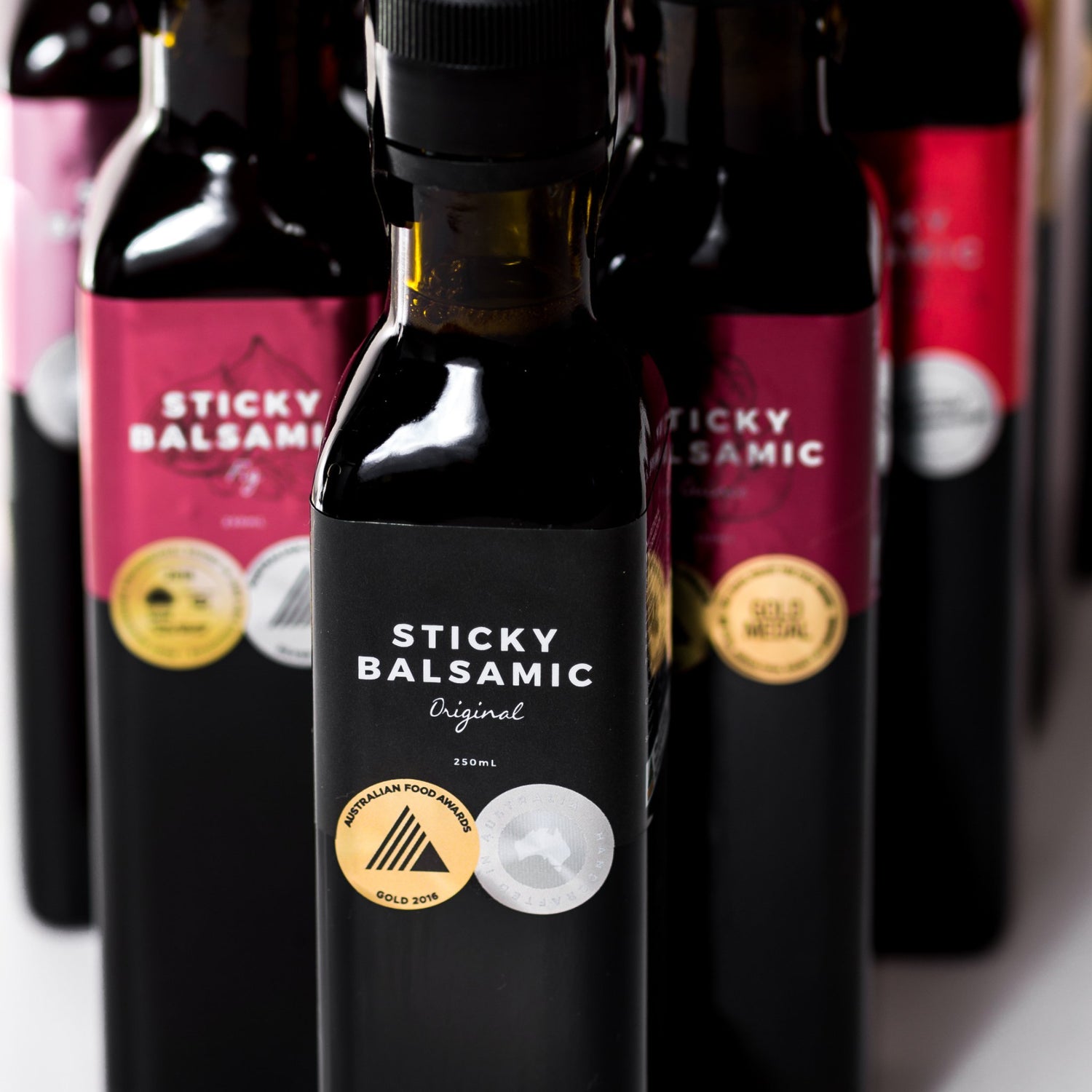
This is where most homemade dressings go wrong — not the technique, the vinegar itself. Supermarket balsamic is often bulked out with caramel colouring and thickeners, which means it brings sweetness without much real depth of flavour. A traditionally made, small-batch balsamic vinegar has natural complexity — notes of fig, molasses, and a gentle tang that a mass-produced bottle simply can't replicate.
If you've ever wondered why your dressing tastes "fine" but not memorable, it's usually the vinegar doing the heavy lifting, not the technique.
Flavour Variations Worth Trying
Once you've got the base ratio down, balsamic dressing is easy to riff on:
- Honey balsamic dressing — add 1 tsp honey for natural sweetness, great on bitter greens like rocket or radicchio
- Herb balsamic dressing — stir through 1 tbsp finely chopped basil or oregano for an Italian-leaning dressing
- Creamy balsamic dressing — whisk in 1 tbsp Greek yoghurt or mayonnaise for a richer, restaurant-style finish
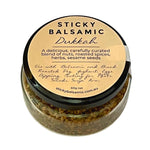
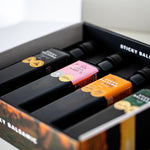
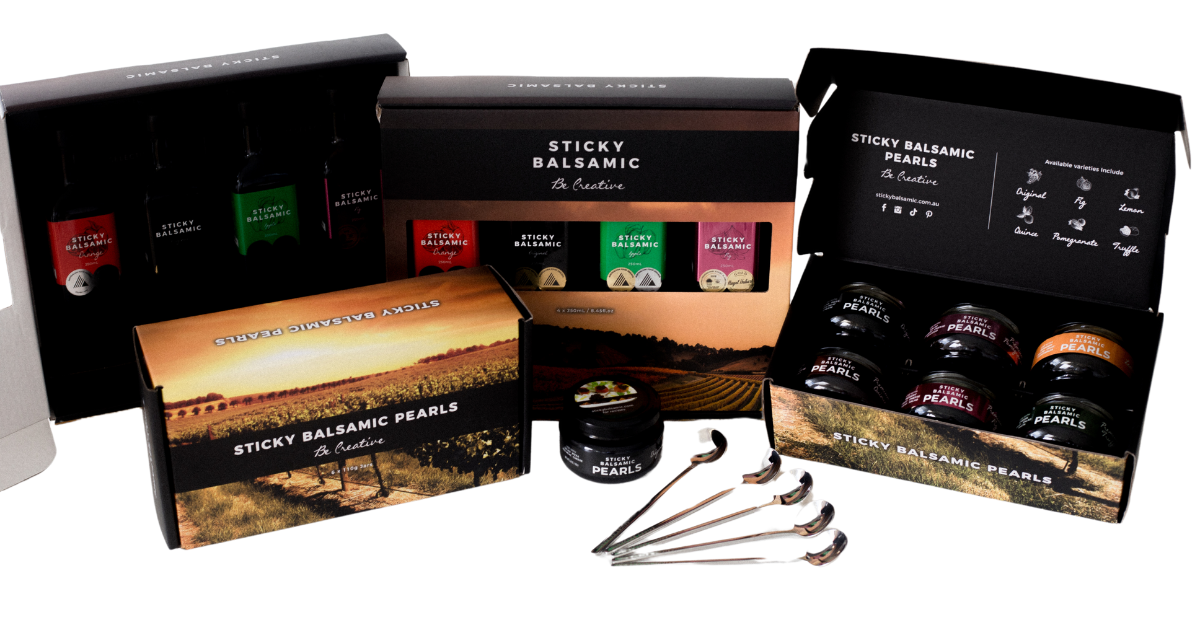
- Fruity balsamic dressing — use some Sticky Balsamic fruit varieties or a squeeze of fruit juice to brighten things up; this works beautifully with roasted vegetables
What to Pair Balsamic Dressing With
Balsamic dressing isn't just for green salads. It holds up well on:
- Roasted or grilled vegetables
- Caprese-style tomato and bocconcini plates
- Grain salads (quinoa, farro, couscous)
- Grilled chicken or red meat, drizzled just before serving
- Warm salads with roasted pumpkin or sweet potato
A Simple Way to Upgrade Any Dressing
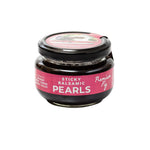
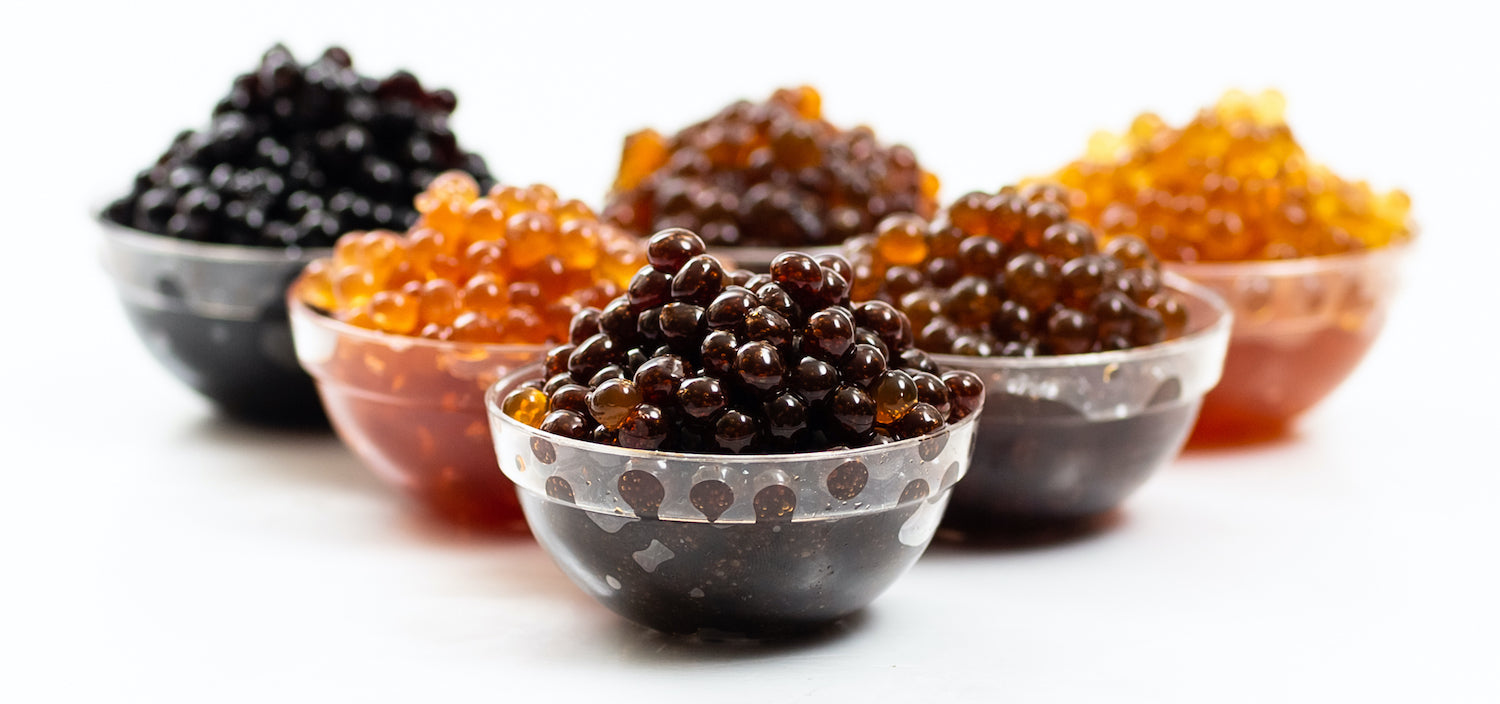
If you want texture and a burst of flavour without extra whisking or emulsifying, scatter a spoonful of balsamic pearls over the finished salad instead of mixing more vinegar into the dressing itself. They sit on top and burst with concentrated balsamic flavour in each bite — a simple way to add a professional, textural finish without adjusting your dressing ratio at all.
Storing Homemade Balsamic Dressing
Balsamic dressing keeps well in the fridge for up to two weeks in a sealed jar. The oil will solidify slightly when chilled — just let it sit at room temperature for 10 minutes and give it a good shake before serving.
---
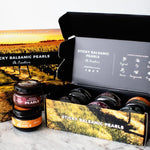
Looking for a balsamic vinegar with genuine depth of flavour? Sticky Balsamic is Australia's most awarded balsamic, handcrafted in small batches — perfect for dressings, marinades, and finishing. Shipping locally from Australia and the USA.
🏆 Experience Premium Balsamic
Australia's most awarded balsamic — crafted to the highest quality standards. AUS & USA Local Shipping.
Shop Now →