



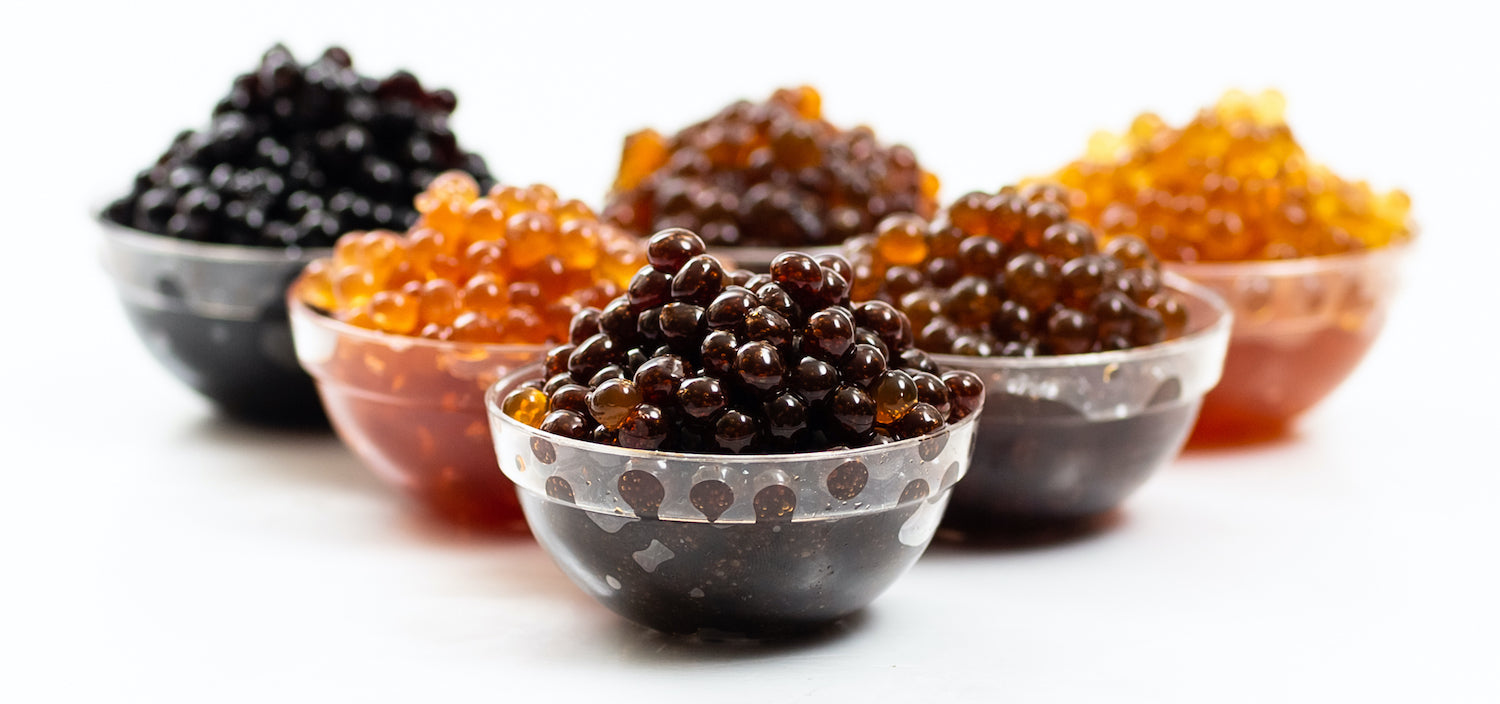

Real caviar is expensive, comes from fish roe, and isn't an option for vegans, vegetarians, or anyone with a shellfish or fish allergy. If you're after that same glossy, small-sphere presentation — the kind that makes a dish look instantly more special — without those limitations, balsamic pearls are worth a look.
Here's an honest breakdown of how they compare, and where they genuinely work as a substitute.
The Quick Answer
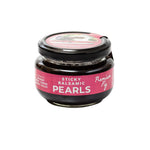
Balsamic pearls are a strong visual and textural substitute for caviar — small, glossy spheres that burst when bitten into, just like real roe. What they're not is a flavour substitute: caviar tastes briny and oceanic, while balsamic pearls taste like rich, tangy-sweet balsamic vinegar. If you want the caviar experience (the pop, the presentation, the elegance) without the fish, balsamic pearls deliver that brilliantly. If you specifically want something that tastes like fish roe, they won't replicate that.
Why People Look for a Caviar Substitute
There are a few common reasons someone searches for an alternative to real caviar:
- Cost — genuine caviar can run into hundreds of dollars for a small tin.
- Dietary restrictions — vegans, vegetarians, and people with fish or shellfish allergies can't eat real caviar at all.
- Ethical or sustainability concerns — some sturgeon species used for caviar are endangered, and wild-caught roe raises sustainability questions for some shoppers.
- Simply wanting something different — a lot of people are drawn to the look of caviar on a dish without needing it to be the traditional product.
Balsamic pearls address all four of these directly: they're vegan, typically nut-free (always check your specific product's label), significantly more affordable than real caviar, and made without any fishing or aquaculture involved.
How Balsamic Pearls Compare to Other Caviar Substitutes
Balsamic pearls aren't the only alternative on the market — here's how they stack up against other common substitutes:
| Balsamic Pearls | Lumpfish/Tobiko Roe | Vegan Seaweed Caviar | |
|---|---|---|---|
| Made from | Balsamic vinegar | Fish roe | Seaweed extract, flavourings |
| Taste | Tangy, sweet balsamic | Briny, fishy | Usually neutral or lightly flavoured |
| Vegan | Yes | No | Yes |
| Allergen profile | Generally allergen-friendly | Fish allergen | Generally allergen-friendly |
| Best for | Adding real flavour + presentation | An authentic roe-like taste | Purely visual garnish |
The key difference from other roe substitutes is that balsamic pearls actively contribute flavour to a dish, rather than just mimicking a neutral texture — so they work best when you want the pearl to be part of the flavour story, not just a garnish for looks.
How to Use Balsamic Pearls as a Caviar Substitute
Balsamic pearls slot neatly into most of the classic ways caviar is traditionally served:
- Canapés and blinis — scatter a few pearls over a blini with cream cheese or a soft cheese base.
- Deviled eggs — top with a pearl or two for a pop of colour and flavour.
- Oysters — a small scatter of pearls adds brightness alongside the natural brininess of a freshly shucked oyster.
- Cheese and charcuterie boards — pearls bring the same elegant, glossy visual as a caviar service, alongside soft cheeses or crackers.
- Cocktails — drop a few into a glass of prosecco or a martini-style drink for a striking garnish.
As with any use, add pearls right at the end — they're heat-resistant, so they're perfectly fine on warm or hot food, but avoid stirring or mixing them into a dish, since that can cause them to burst before you want them to.
Frequently Asked Questions
Do balsamic pearls taste like caviar? No — balsamic pearls taste like balsamic vinegar, not fish roe. They replicate the look and burst of caviar, not the flavour.
Are balsamic pearls a good vegan caviar alternative? Yes — balsamic pearls are plant-based and contain no fish or animal products, making them a genuine option for vegans and vegetarians who want a caviar-style presentation.
Can I serve balsamic pearls the same way as real caviar? In most presentation contexts, yes — blinis, canapés, cheese boards, and oysters all work well. Just keep in mind the flavour will be distinctly balsamic rather than briny.
Are balsamic pearls cheaper than real caviar? Significantly. Real caviar can cost hundreds of dollars for a small amount, while balsamic pearls are an accessible, everyday-affordable alternative.
Try Them for Yourself
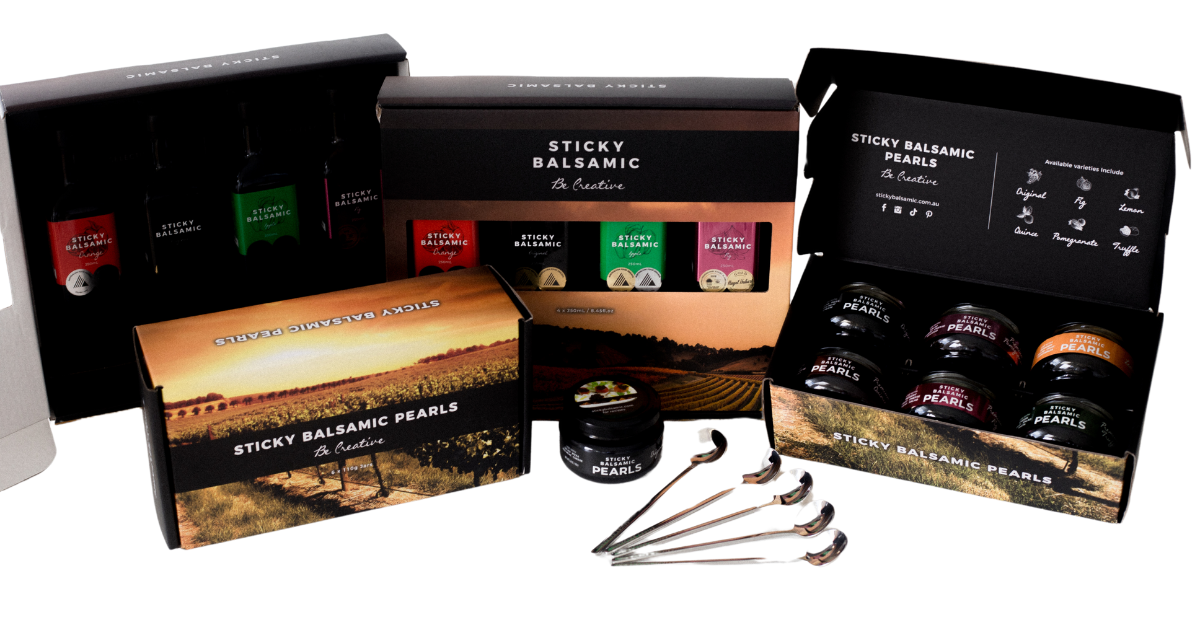
If you're after the elegance of a caviar-style garnish with a flavour all its own, explore our full range of balsamic pearls varieties and find the one that suits your table.
🏺 Ready to try Sticky Balsamic Pearls?
Australia's most awarded balsamic — crafted in small batches.
Shop Pearls Now →